

Recycling of plexiglass made easier
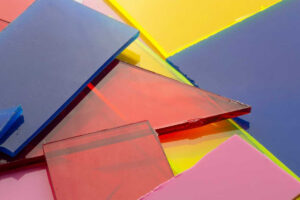
October 20, 2026 – Researchers at ETH Zurich have developed a method that breaks down acrylic glass almost completely into reusable chemical building blocks. The technique requires less energy than existing methods and uses no solvents.
Acrylic glass, also known as Plexiglas, is widely used in car lights, windows and furniture. Although recycling is possible, existing chemical processes often require high temperatures or complicated treatments.
The new method uses a single inexpensive substance belonging to a group called N-hydroxyimides. It breaks long polymer chains apart, releasing their original building blocks. Yields can reach 98 percent.
The process begins at just over 200 °C, compared with at least 400 °C for other methods. Even coloured or contaminated acrylic glass can be processed.
The recovered building blocks can be used to manufacture new, high-quality plastics. The technique could also be introduced using existing industrial equipment. Researchers now plan to scale up the process.
The study was published in early September in Nature Chemistry under the title ‘Lower-temperature bulk depolymerization of commercial polymethacrylates’.


